You finally have the new floor installed. It looks clean, finished, and exactly how the customer wanted it.
Then the rest of the project continues.
Workers walk across it, tools and materials move through the space, ladders are positioned, and dust and debris begin collecting. Suddenly, the biggest risk to your finished floor isn't the installation, it’s everything happening after it.
So, before the next phase begins, ask:
What are you doing to protect the surface you've just spent time and money installing?
Floor Protection Isn't Just About Covering a Floor
Effective floor and surface protection means choosing the right solution for the job. Consider the amount of foot traffic, equipment being used, moisture concerns, surface type, and how long protection will remain in place.
The wrong protection can create problems of its own, so contractors should select products based on actual jobsite conditions.
Why Finished Floors Are Vulnerable During Construction
Finished floors can face many risks during construction, including:
- Dirt and dust tracked by workers
- Scratches from tools and equipment
- Paint, adhesive, and construction materials
- Dropped hardware
- Moving ladders and equipment
- Moisture and debris
A small scratch may seem insignificant until you're explaining to a customer why their new floor needs repair. Prevention is often much cheaper than fixing damage later.
Choosing the Right Surface Protection
For renovation, remodeling, construction, and restoration projects, floor and surface protection films can create a barrier between finished surfaces and everyday jobsite activity.
When breathability matters, contractors can consider breathable protection film instead of automatically using a non-breathable covering.
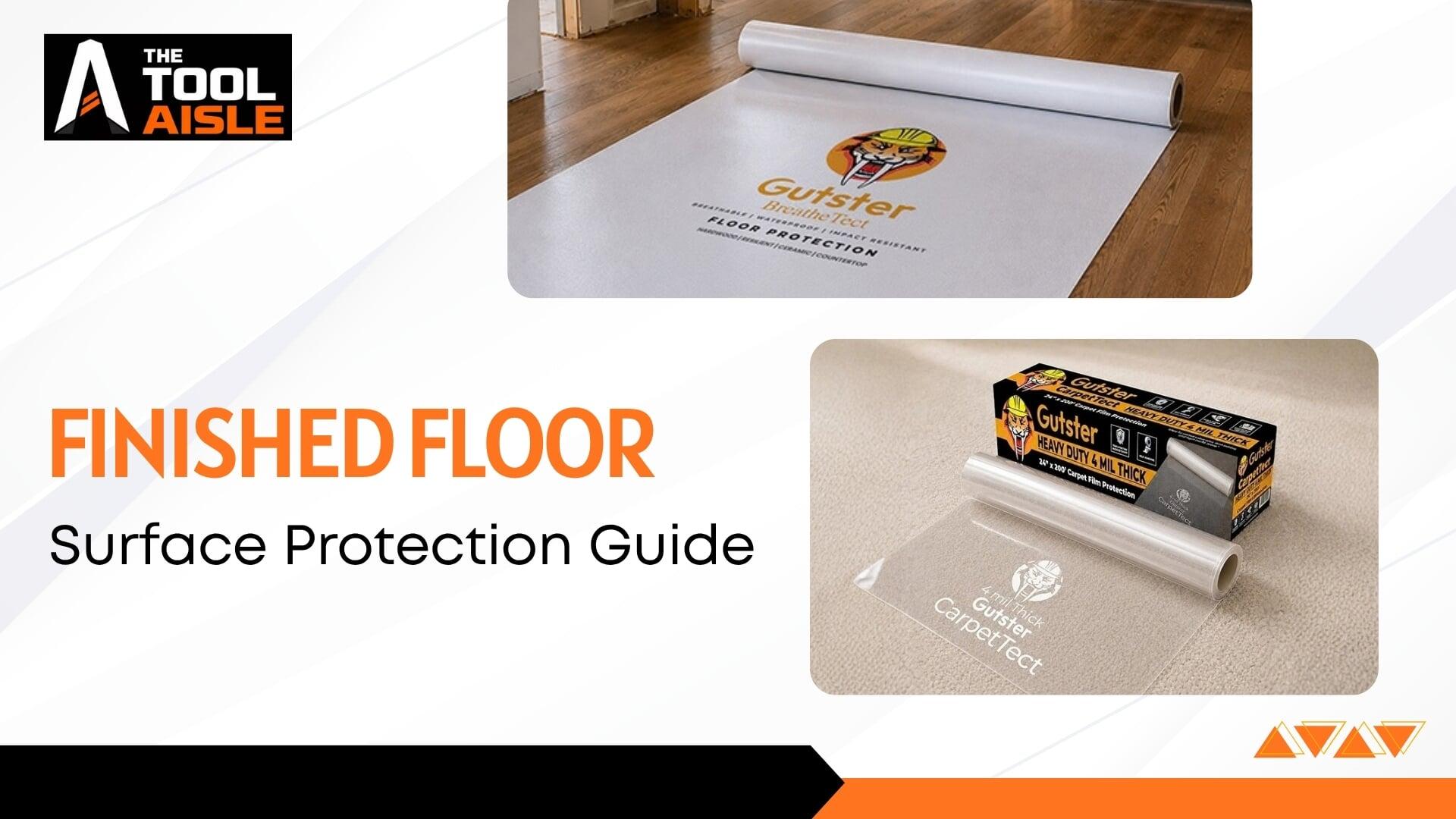
Products such as BreatheTect Floor and Surface Protection Film can help protect surfaces while accounting for jobsite conditions.
For concrete, masonry, and interior flooring applications, consider Concretetec Surface Protection and VersaTect Interior Floor and Surface Film Protection.
The best protection isn't necessarily the thickest protection. It's the protection that fits the job.
When Should You Consider Breathable Protection Film?
Moisture is an important consideration on many construction and renovation sites. The wrong covering may trap moisture underneath the protection.
Breathable surface protection films can be useful when allowing moisture vapor to pass through is important. BreatheTect Builder Protection Film is designed for construction and remodeling environments where contractors need surface protection while considering these conditions.
Before choosing a product, consider the surface, traffic, project duration, and environment.
Protecting Finished Carpet
Carpet can quickly collect dirt, dust, moisture, and debris when workers move through a construction area. Cleaning or replacing damaged carpet can add unnecessary costs and delays.
CarpetTect Heavy Duty Carpet Protection Film provides an option for protecting finished carpeted areas.
A physical barrier helps separate ongoing work from the finished surface, reducing reliance on workers simply remembering to be careful.
Don't Forget Floors During Demolition
Surface protection is important during demolition, too.
Nails, sharp materials, tools, dust, and equipment can damage surfaces that are supposed to remain. That's why construction protection products should be part of a complete demolition plan.
Remove what needs to go. Protect what needs to stay.
Heavy-Duty Protection for Demanding Jobs
Some projects require more than lightweight film. High-traffic commercial areas, remodeling projects, restoration work, and construction sites may require additional protection.
Heavy-duty floor protection paper can provide another option for demanding environments.
Consider foot traffic, equipment, project duration, and debris before choosing between film, paper, carpet protection, or a combination.
The Hidden Cost of Skipping Protection
If a finished floor gets damaged, you may face repairs, replacement costs, schedule delays, additional labor, and unhappy customers.
That's why surface protection should be viewed as risk management rather than an unnecessary expense.
A small investment in protection can help prevent a much larger problem.
A Simple Contractor Protection Checklist
Before work begins, ask:
1. What surfaces need protection?
Identify finished floors, carpet, walls, counters, and other vulnerable areas.
2. How much traffic will the surface receive?
Heavy traffic may require more durable protection.
3. Will moisture be a concern?
Consider whether a breathable protection solution is appropriate.
4. What type of work is happening nearby?
Demolition requires different considerations from painting or light remodeling.
5. How long will the protection remain in place?
Choose a product suited to the expected project duration.
6. How will the protection be secured?
Loose or poorly positioned protection can become a trip hazard or allow debris underneath.
Protect the Work You've Already Paid For
A finished floor represents materials, labor, and customer expectations. Damage during the final stages can undo all that effort.
The real finish is when the project is complete, and the floor still looks the way it did when you installed it.